

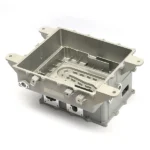
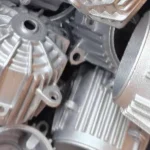
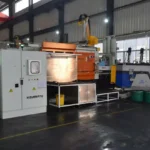


Zinc alloy die castings are widely used in decorative and functional components, including furniture fittings, bathroom accessories, lighting parts, toys, and metal fasteners. High surface quality is essential, especially for plated or finished products. One common issue is surface blistering, which can occur after casting, machining, or plating.
Causes of Surface Blistering
Gas Pores and Shrinkage Cavities
- Gas pores: Form when gas is trapped during filling or solidification, due to coating gases, dissolved gases in the alloy, or inadequate venting.
- Shrinkage cavities: Result from uneven solidification and volume contraction in thick or uneven sections.
Intergranular Corrosion
Harmful impurities such as lead, cadmium, or tin accumulate at grain boundaries, leading to corrosion. During electroplating, these areas expand, causing blistering.
Cracks in Castings
- Flow lines and cold shuts: Occur when metal fails to fuse during filling.
- Hot tears: Form due to uneven wall thickness, high mould temperature, or early ejection.
Causes of Blistering in Zinc Alloy Die Castings
- Porosity
Porosity in castings can be either gas pores (round) or shrinkage cavities (irregular).
- Gas Pores: Occur when gas enters the molten metal during filling or solidification. This can result from gas trapped from coatings, high dissolved gas content in the alloy, or inadequate venting of the mould.
- Shrinkage Cavities: Form due to volume contraction during solidification, especially in thick or uneven sections. Slow solidification in localised areas can lead to surface depressions.
During surface treatments like electroplating or painting, gas or moisture trapped in these pores expands, causing blistering.
- Intergranular Corrosion
Harmful impurities in zinc alloys, such as lead, cadmium, or tin, can accumulate at grain boundaries, leading to intergranular corrosion. Electroplating exacerbates this effect, causing expansion under the plating layer and resulting in blisters. In humid environments, this can also lead to deformation, cracking, or breakage. - Casting Cracks
Common cracks include flow lines, cold shuts, and hot tears:
- Flow lines and cold shuts occur when molten metal prematurely solidifies on the mould walls, preventing proper fusion with incoming metal, resulting in surface streaks or internal defects.
- Hot tears form due to uneven wall thickness, residual stress, excessive mould temperature, early ejection, uneven ejection force, or the presence of harmful impurities. During electroplating, molten solution can penetrate these cracks, and baking converts moisture into steam, lifting the plating layer and causing blistering.
How to Prevent Blistering
Control Gas Pores
Ensure smooth metal flow using tapered runners, vents, and overflow channels. Minimise turbulence to allow gas escape.
Reduce Shrinkage Cavities
Optimise runner design, wall thickness, and mould cooling to promote uniform solidification.
Prevent Intergranular Corrosion
Maintain alloy purity, particularly lead content (<0.003%), and avoid contamination from scrap materials.
Minimise Flow Lines and Cold Shuts
Increase mould temperature, improve alloy flow, and expand overflow channels in vulnerable areas.
Avoid Hot Tears
Keep wall thickness consistent, control mould temperature, and adjust casting parameters to reduce internal stress.

Case Studies
Rotary Knob (Chromed Surface)
- Observation: Blistering on the chrome-plated surface.
- Analysis: Lead content 0.016% (exceeds standard 0.004%), causing intergranular corrosion. Microscopy revealed water lines beneath blisters.
- Solution: Control alloy impurities, prevent contamination from scrap, raise mould temperature, and increase molten metal flow speed.

Cable Connector
- Cast A: Lead content 0.016%, causing intergranular corrosion and blistering.
- Cast B: Lead content 0.004%, with cold shut defects leading to blisters.
Bathroom Accessory Bracket
- Observation: Surface swelling with microcracks.
- Analysis: Alloy composition within specification; microscopy revealed extensive gas pores.
- Cause: Early ejection with insufficient solidification strength.
- Solution: Adjust casting parameters, extend mould dwell time, and lower mould temperature in defect-prone areas.
Summary
Surface blistering in zinc alloy die castings can result from porosity, shrinkage, intergranular corrosion, or cracks. By controlling alloy composition, optimising mould design, ensuring proper cooling, and adjusting die-casting parameters, manufacturers can significantly reduce surface defects and produce high-quality, defect-free castings suitable for finishing and plating.


No comment